Compression Therapy Described: Discover Its Role in Injury Recovery and Efficiency
Compression therapy has become a substantial technique in both injury recovery and sports performance improvement. This approach makes use of outside stress to enhance blood circulation and minimize swelling, promoting recovery and stability. While its advantages are well-documented, many are not aware of the different strategies and underlying devices involved. Understanding these elements can provide necessary insights into just how compression therapy can be efficiently incorporated into recuperation and training regimens. What exists ahead in this exploration?
Recognizing Compression Therapy: The Fundamentals
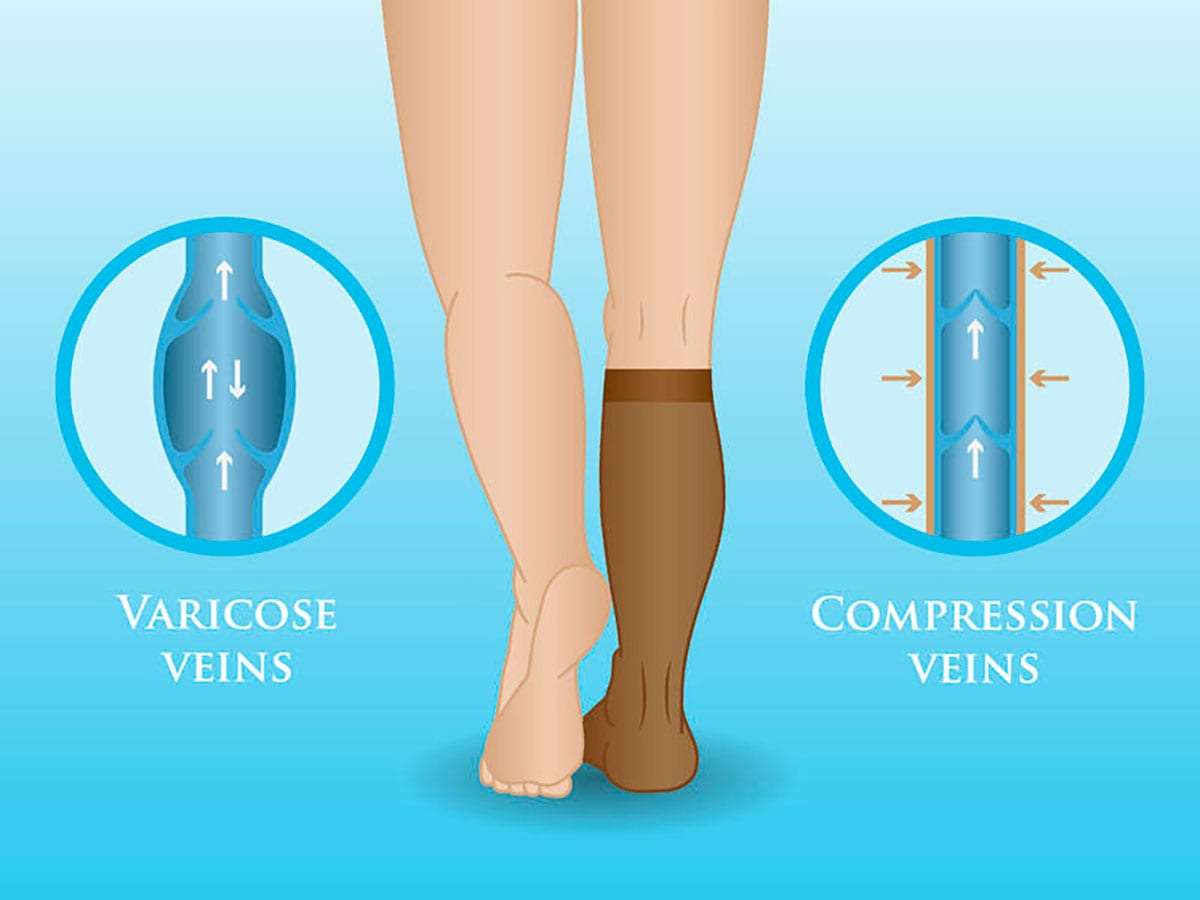
Compression therapy is a clinical treatment made to improve blood circulation and decrease swelling in numerous problems. It includes the application of exterior stress to the body, normally through specialized garments like sleeves, stockings, or bandages. This external compression aids in advertising blood circulation, which can be particularly helpful for people with venous disorders, injuries, or post-surgical healing.
The therapy functions by exerting pressure on the limbs, which assists to protect against blood merging and encourages the return of venous blood to the heart. Furthermore, compression therapy can relieve pain connected with conditions like lymphedema, chronic venous deficiency, and sporting activities injuries.
Individuals usually find that incorporating compression therapy into their treatment regimen improves healing time and alleviates swelling. As a non-invasive technique, it is commonly utilized in both scientific setups and in the house, making it an accessible option for many seeking remedy for blood circulation concerns.
The Scientific Research Behind Compression Therapy
Countless researches have actually shown the physical impacts of compression therapy on the circulatory system. Compression garments apply graduated stress to the arm or legs, which boosts venous return and advertises blood circulation. This process can decrease the pooling of blood in the veins, thereby mitigating the risk of venous tension and linked issues.

Furthermore, the application of compression can modify the perception of physical effort during exercise, potentially affecting efficiency results. By recognizing these underlying devices, researchers continue to check out the diverse applications of compression therapy in both scientific setups and athletic settings, additionally clarifying its role in boosting physiological feature and recuperation processes.
Benefits of Compression Therapy for Injury Healing
While numerous recovery methods exist, compression therapy has arised as a significant aid in the rehab procedure for injuries. This therapy functions by using regulated stress to the affected area, which promotes better blood circulation and minimizes swelling. Boosted blood circulation facilitates the delivery of oxygen and nutrients required for tissue repair service, helping in faster recuperation times.
In addition, compression therapy might reduce pain and discomfort by supporting damaged cells, thereby minimizing movement-related anxiety - Compression. For individuals recouping from strains, pressures, or post-surgical conditions, the helpful nature of compression garments can add to a complacency and confidence during the recovery stage
Moreover, studies have shown that including compression therapy into healing methods can lead to a reduced danger of additional injury by boosting muscular tissue stability. Generally, the combination of compression therapy into rehabilitation techniques provides various advantages, making it an invaluable device for efficient injury recovery.
Enhancing Athletic Efficiency With Compression Therapy
Athletes progressively turn to compression therapy as a way to enhance their efficiency and optimize recuperation. By applying finished pressure to the arm or legs, compression garments facilitate enhanced blood circulation, which can cause enhanced oxygen shipment to muscles during strenuous activities. This increased blood flow might result in minimized muscle tiredness, permitting athletes to maintain greater levels of performance for extensive periods.
Furthermore, compression therapy help in the removal of metabolic waste products, such as lactic acid, which can develop during intense workout. This increased recovery procedure might enable athletes to educate tougher and more often, inevitably leading to much better outcomes in their respective sports.
Moreover, several athletes report a sense of stability and assistance given by compression garments, which can boost proprioception and overall confidence during competitors. Because of this, compression therapy has come to be an integral part of numerous athletes' training regimens, adding to enhanced efficiency end results.
Various Kinds Of Compression Devices and Techniques
Compression therapy encompasses a range of devices and techniques made to use stress to details click over here locations of the body. One typical type is compression garments, such as stockings and sleeves, which supply constant pressure to enhance circulation and reduce swelling. These garments are frequently made from elastic products and differ in compression degrees, enabling users to select ideal alternatives based upon their requirements.
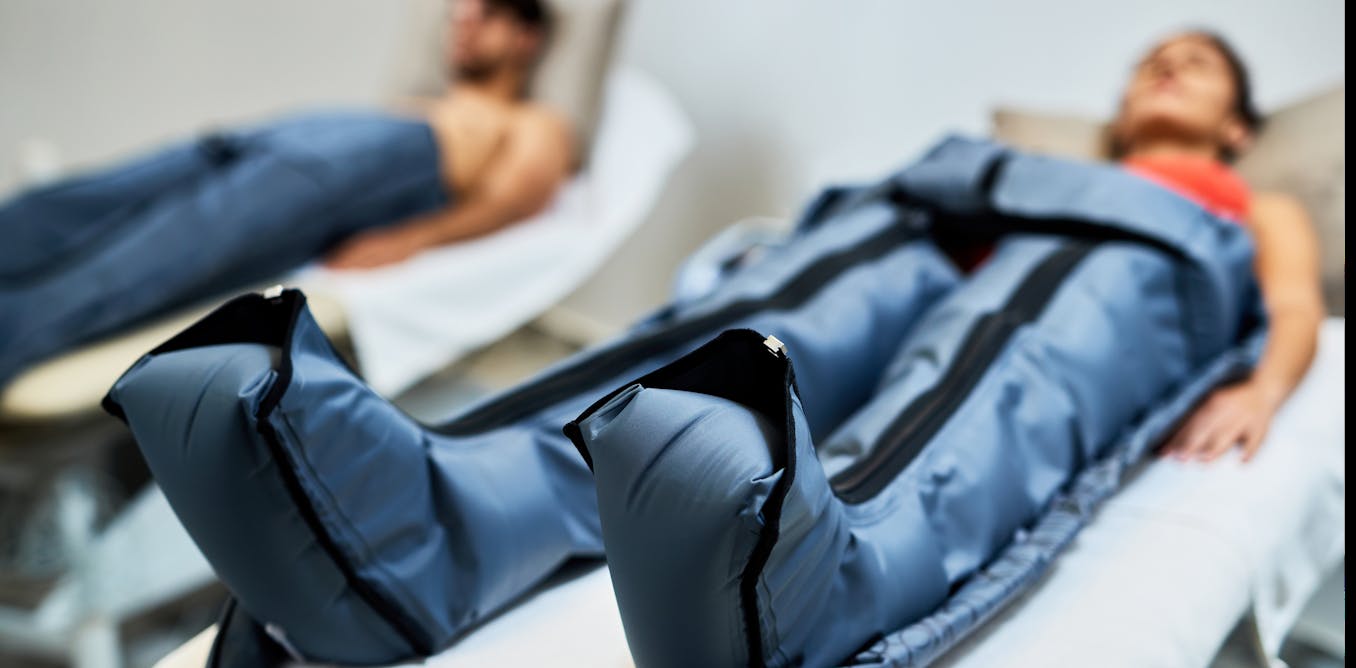
Another approach entails pneumatically-driven compression devices, which utilize air-filled chambers to supply recurring pressure. These devices are specifically valuable for post-surgical recuperation and in handling conditions like lymphedema. Additionally, there are vibrant compression systems that can use variable pressures, permitting tailored treatment.
Lastly, strategies such as hands-on lymphatic drainage might match compression therapy, promoting liquid motion through the lymphatic system. Each of these methods and devices serves a distinct purpose, contributing to the general efficiency of compression therapy in recovery and performance improvement.
Exactly How to Include Compression Therapy Into Your Routine
How can one efficiently integrate compression therapy right into an everyday routine? To begin, individuals should recognize particular times for wearing compression garments, such as throughout workouts or after exercise. This assures optimal benefits for muscle mass recovery and injury prevention. Starting with a few hours daily can help the body accustom to the feeling of compression.
Including compression tools throughout remainder or sleep can likewise enhance recovery, particularly for athletes. It is a good idea to progressively boost use as comfort levels improve.
Additionally, producing a committed location for storage and application can enhance the process, making it less complicated to keep in mind. Pairing compression therapy with other recovery strategies, such as extending or hydration, can enhance its effectiveness.
Individuals should monitor their body's feedbacks and change the regularity and period of usage based on personal requirements and activity levels, guaranteeing a tailored strategy to incorporating compression therapy.
Safety Considerations and Prospective Risks of Compression Therapy
Compression therapy can supply countless benefits, but it is very important to take right into account safety aspects and potential risks. An individual health and wellness evaluation is crucial to identify suitability, while sticking to correct usage guidelines can mitigate difficulties. Additionally, recognizing precautions and contraindications is important to assure the therapy is applied securely and properly.
Person Health And Wellness Analysis
A comprehensive individual wellness analysis is important before initiating compression therapy, as it helps determine security considerations and potential threats tailored per client's one-of-a-kind case history. This assessment needs to include evaluating pre-existing problems such as cardiovascular problems, diabetic issues, or skin problems, which might make complex therapy. Additionally, comprehending any medicines the person is taking is necessary, as particular medicines can affect blood circulation and responsiveness to compression. Clients with a history of blood embolisms or extreme circulatory issues may require customized examination. In addition, proper interaction between health care service providers and people makes it possible for a detailed understanding of individual needs, ensuring that compression therapy is both effective and risk-free. Ultimately, this assessment prepares for successful outcomes in healing and efficiency enhancement.
Correct Usage Standards
Complying with a comprehensive specific wellness evaluation, comprehending appropriate use guidelines for compression therapy ends up being essential. Practitioners should ensure that the degree of compression is suitable for the individual's particular problem, typically look at here ranging from light to moderate compression for general usage. It is important to keep track of the period of wear, as extended use can bring about discomfort or negative results. Patients should be enlightened on identifying indications of excessive stress, such as pins and needles or prickling. In addition, preserving health by regularly cleaning compression garments is essential for stopping skin irritation. Gradually boosting usage time can assist the body acclimate. Sticking to these guidelines assists optimize the restorative benefits while decreasing possible risks connected with compression therapy.
Precautions and contraindications
A number of vital contraindications and preventative measures have to be thought about before initiating compression therapy. Individuals with specific clinical conditions, such as peripheral vascular illness, deep vein apoplexy, or extreme arterial insufficiency, need to prevent this treatment due to the risk of intensifying their conditions. Furthermore, individuals with skin infections, open wounds, or dermatitis should avoid from utilizing compression therapy, as it may worsen these problems. It is likewise crucial to check for signs and symptoms like excessive swelling, pain, or pins and needles throughout and after therapy, as these might indicate adverse responses. Pregnant people must speak with a medical care professional prior to making use of compression garments. Overall, a comprehensive assessment by a healthcare supplier ensures the risk-free application of compression therapy while lessening potential threats.
Often Asked Inquiries
Can Compression Therapy Be Made Use Of for Persistent Pain Monitoring?
Compression therapy can be made use of for persistent discomfort monitoring, as it may aid decrease swelling and improve flow. Individuals frequently report alleviation, although individual results can vary, demanding examination with a healthcare professional for excellent end results.
How Much Time Should Compression Clothes Be Worn Daily?
Compression garments should usually be used for 20 to 24 hr daily, depending on individual demands and medical guidance. Continual use can boost circulation and offer assistance, especially throughout exercise or recuperation phases.
Exist Age Constraints for Using Compression Therapy?
There are generally no rigorous age limitations for making use of compression therapy. Nonetheless, people, especially youngsters and the elderly, must get in touch with medical care experts to assure safety and suitability based upon particular health and wellness problems and needs.
Can Compression Therapy Aid in Post-Surgery Recovery?
Compression therapy can help in post-surgery recovery by improving circulation, decreasing swelling, and advertising faster healing. Several health care professionals advise its use to enhance healing end results and enhance total individual comfort throughout recovery.
What Is the Cost Range for Compression Therapy Instruments?
The cost array for compression therapy gadgets varies significantly, commonly between $30 to $300. Aspects affecting cost include the gadget kind, brand, and certain functions, making it essential for consumers my response to compare alternatives prior to purchasing.
People often discover that incorporating compression therapy right into their therapy regimen improves recovery time and reduces swelling. Researches have revealed that integrating compression therapy into healing protocols can lead to a reduced threat of more injury by boosting muscle stability. Athletes significantly turn to compression therapy as a method to improve their efficiency and optimize recuperation. Specialists should ensure that the degree of compression is proper for the person's specific problem, commonly varying from mild to modest compression for general use. Compression therapy can assist in post-surgery healing by improving blood circulation, lowering swelling, and promoting faster healing.